Föltider - det här behöver du veta
Updated: 16 Apr 2026
Published: 01 Aug 2025
Dags för föl: det här behöver du veta om fölning
Finns det något mer rogivande än att se ett sto med sitt föl ute på sommarbete? På våren när det börjar bli dags för stoet att föla är väntan som allra mest påtaglig. Varje liten förändring känns betydelsefull. Det är en spännande och förväntansfull tid, fylld av både glädje och frågor. Hur vet man egentligen att stoet börjar bli redo att föla? Och vad är viktigt att ha koll på - före, under och efter fölningen?
Innan fölning
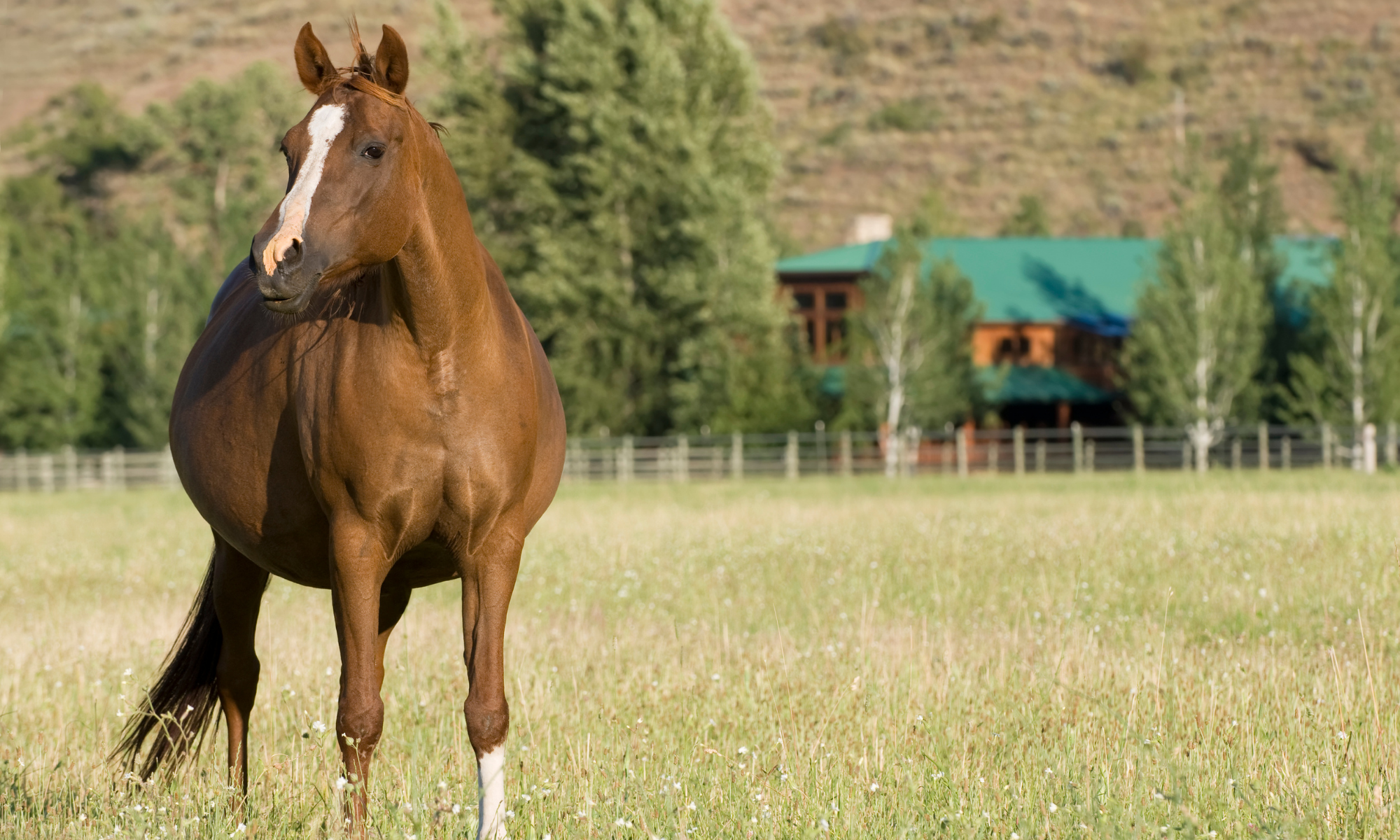
Alla dräktiga ston visar inte samma tecken på att fölningen är nära. Typiska tecken är att stoets juver fylls, det utvecklas en hållighet/slapphet på vardera sida om svansroten och vaxproppar i spenarna, vid dessa tecken kan fölningen vara bara några timmar bort. Se till att du har följande redo för att vara ordentligt förbered inför fölningen:
När det närmar sig fölning, ha en fölvakt redo
Installera en kamera i stallet så att du kan ha koll på ditt sto hemifrån
Ha en stor fölbox rengjord och redo, med ett tjockt lager bädd så att stoet kan ligga ner bekvämt. Använd nytt och rent strömedel då fölet är infektionskänsligt när det föds
Se till att det finns tillräckligt med ljus i stallet (lämna gärna en lampa på även på natten)
Skriv ner viktiga telefonnummer, såsom numret till din veterinär och till någon som kan köra om du skulle behöva ta ditt sto och föl till klinik
Ha råmjölk i frysen, eller ett Pavo SOS-kit, i fall något går galet med stoet, eller om fölet inte vill dia
Sätt ett bandage på stoets svans – så att du kan se hela processen tydligt
Förbered också: handdukar, en ren hink, desinfektionsmedel (jodopax), en navelsträngsklämma och en sax.
Under fölning
När fölningen kommer i gång och fosterhinnan är synlig, kontrollera att fölets position är rätt. Kontrollera att du kan känna två framben och huvudet. Om så inte är fallet så kan fölet ligga i fel position. Se då till att stoet står upp och ring veterinären omedelbart.
Det första dygnet efter fölning
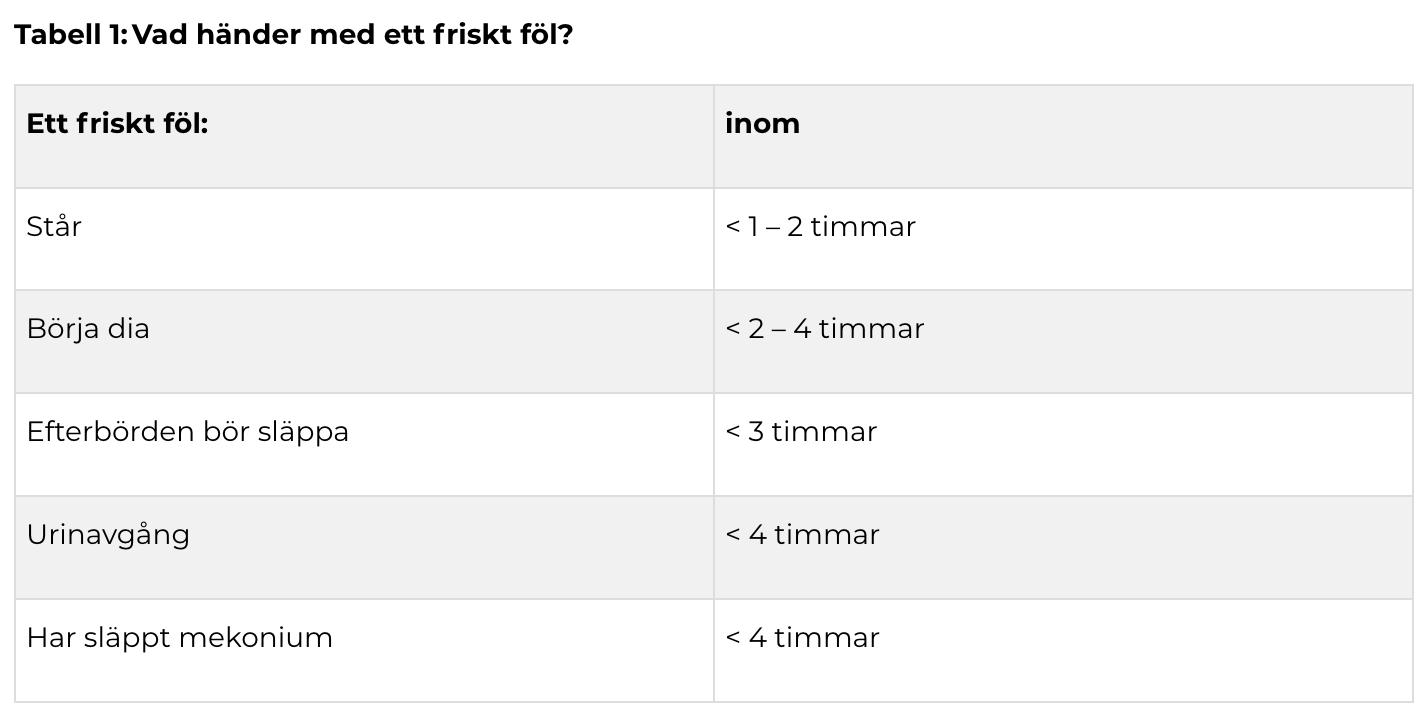
De första 24 timmarna efter fölning är avgörande för fölet. Det är viktigt att du stämmer av ett antal saker (se tabellen nedan). Fölet föds utan antikroppar och är beroende av antikropparna i stoets råmjölk (colostrum) för att få ett skydd mot infektioner. Det är endast under de första 24 timmarna som antikropparna kan passera genom fölets tarmväggar och på så sätt absorberas i blodflödet, efter 24 timmar så stängs passagen i tarmväggen. Bästa upptaget är inom 12 timmar efter fölning. Om fölet inte vill dia, om stoet lider av mastit eller har dött, så är det viktigt att ge frusen, upptinad råmjölk, plasma eller råmjölk från Pavo SOS-kit.
Worst case scenario: Ett moderslöst föl
Problem under fölning är varje uppfödares mardröm. Det är viktigt att du vet vad du ska göra och vem du ska kontakta när problem uppstår.
Kontrollera innan fölning om det finns några Facebook-grupper eller hemsidor för fosterston och moderslösa föl. Skulle fölet eller stoet inte överleva fölningen, vänd dig då till dessa sidor. Genom dessa sidor kan man försöka göra en adoption. Behöver du en surrogatmamma och hittar en som har förlorat sitt föl, kontrollera vad orsaken var. Om det finns misstanke om sjukdom så är det bättre att inte placera fölet där. Var noggrann när du gör adoptionen och skriv ner överenskommelsen skriftligt.
En annan lösning kan vara att ett sto inte har fölat utan laktation sätts igång med en speciell behandling. Vanligtvis är det lättare för stoet att acceptera fölet vid detta scenario.
Avvänjning av fölet
De flesta fölen vänjs av från sin mamma när de är mellan 5 och 6 månader gamla, när det inte längre är beroende av stoets mjölk och kan äta grovfoder och mineraltillskott/fölpellets. För att minska stoets mjölkproduktion kan det vara klokt att minska stoets kraftfodergiva. Tre dagar innan planerad avvänjning, pausa kraftfodergivan helt. Se till att stoet får tillräckligt med motion.
Text skriven i samarbete med Pavo - publicerad första gången 2023-03-15
fölaveldräktigt sto

)